$14,000–$16,000
DOG
Total hip replacement, per hip
Large-breed dogs: For example, Labradors, German Shepherds
Source: Veterinary Specialists Aotearoa surgical price guide


There's no ACC and no public health system for pets in New Zealand. Here's what that gap actually looks like for owners, and for the vets treating the animal in front of them.
New Zealand doesn't subsidise veterinary care the way it subsidises human healthcare. Every consultation, scan and surgery is billed at full cost, and most owners are currently meeting that cost alone: around 90% of cat owners and 80% of dog owners pay their vet bills entirely out of pocket. FurWise estimates that less than 15% of New Zealand pets are insured in total, well behind Sweden (90% of dogs, 74% of cats insured) and Britain (54% of dogs, 45% of cats).
This isn't really a story about carelessness with money. A vet bill is unpredictable in a way most household budgets aren't built for. A routine visit already averages $500 for a dog and $350 for a cat. An accident or a sudden illness can run into the thousands in a single visit, and 80% of the claims Southern Cross Pet Insurance pays out are for illness rather than accidental injury, so this isn't only about avoiding obvious hazards.
Costs vary a lot by species and by condition. Here's a sample, pulled from published NZ vet pricing guides and insurer claims data.
Neither side of this is hypothetical, every point below is something a NZ owner, vet or insurer has already reported.
Insurance doesn't remove every cost, and we don’t pretend it does. Most New Zealand policies work on a co-payment model, where you typically pay around 20% of an eligible bill and the insurer pays the rest. One owner whose dog needed a $4,500 operation described finding that remaining 20% as "crippling," even with cover in place. That's exactly why the terms of a policy (sum insured, co-payment, excess, exclusions) matter as much as simply having one. It's what our comparison tool is built to show you, side by side.
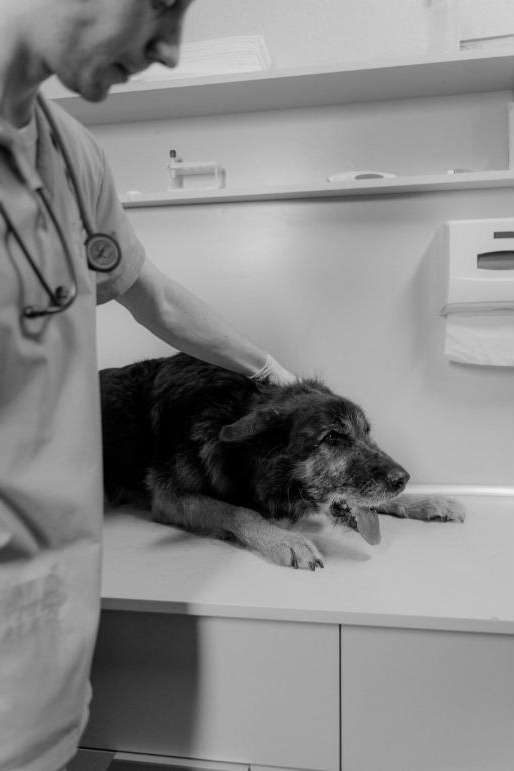
The conversation about cost doesn't stop with owners. New Zealand's own veterinary profession has been open about what it costs them.
A peer-reviewed New Zealand Veterinary Journal survey of NZ vets found that clinics change their euthanasia protocol, including being less likely to use sedation, specifically for clients who can't afford the procedure. The same study's definition of "convenience euthanasia" explicitly includes cases where an owner simply can't afford to keep their pet, and it states plainly that this kind of work is linked to burnout, depression and sadly, suicide within the profession. Over a third of surveyed vets said they'd received no training at all in managing the emotional side of it.
"Getting up every day to save pets' lives only to be confronted instead with euthanising animals because owners can't afford the care is a challenge we know a lot of vets struggle with. It creates a lot of moral fatigue and distress for all involved."
"It's horrible to have to pull the pin on something that, with money, could be managed perfectly well."
"If there's one thing these last few months have taught us with the pressures of the cost of living, it's to get pet insurance or have a contingency plan. It makes a massive difference when the unexpected happens. And as vets, we see the unexpected every day."
Brendan Hickman — Co-owner, Nelson Vets
This shows up in the wider numbers too. A national NZVA member survey named burnout, staff recruitment and retention, mental wellbeing and income as the profession's top challenges, and a separate NZVA survey found around 150 unfilled veterinary vacancies across the sector. None of this is a reason to feel guilty about a vet bill, it's why FurWise exists. We want to educate you on the positives of having pet insurance.
When more owners are properly insured, vets spend less time triaging by wallet and more time practising medicine.
Any information shown on FurWise is not financial advice. FurWise is a features comparison tool. It's a helpful starting point so you can understand how pet insurance policies in New Zealand work. If you are still unsure about what might be right for you after using FurWise, we strongly recommend you seek independent advice from a financial adviser about your specific situation.
FurWise's comparison tool shows every plan's claim affordability. Set your own vet bill size, claims per year and comfortable budget, and see side by side what you'd actually pay out of pocket with each insurer. We will also release this as a standalone comparison shortly, where you can check hypothetical claims against insurers wordings.
Related readingInsurance is one way to fund a vet bill, not the only one. See how it stacks up against wellness plans and vet finance / Buy Now Pay Later options in New Zealand.
See how New Zealand's pet insurers stack up on the things that matter when a bill actually arrives.