

These solve different problems, not the same one three ways. Here's how each actually works in New Zealand, with the trade-offs.
There's no ACC and no public health system for pets in New Zealand, and FurWise estimates that less than 15% of NZ pets are currently insured. Everyone else is choosing (sometimes without realising it) between three different ways of meeting a vet bill: insuring against it, budgeting for it monthly, or borrowing for it after the fact.
This guide lays out how each one works. None of it is personalised financial advice, and none of it is about which single option to pick. That depends on your pet, your budget and your “risk tolerance”. It's about knowing what you're buying before the vet bill arrives, not after. (For the fuller picture of why this matters at all, see The Real Cost of Not Having Pet Insurance .)

None of these fully replaces another — each is built to solve a different kind of vet bill.
| Pet insurance | Wellness plan | Vet finance / BNPL / layby | |
|---|---|---|---|
| What it's for | Unpredictable bills for accidents and illness. | Predictable, routine care. Vaccinations, check-ups, desexing, dental etc. | A bill that's already landed and needs paying now. |
| How you pay | Generally a monthly or annual premium, ongoing. | Generally a monthly or annual membership fee, ongoing. | Generally instalments after treatment, or a loan drawn down when needed. |
| Covers a $5,000 accident tomorrow? | Generally yes, minus your excess and co-payment, once you're past the waiting period. | No. Wellness plans don't cover accidents, illness or emergency surgery. | Yes, if approved. But you'll owe the full $5,000 plus any interest or fees. |
| Ongoing commitment | Cancel the policy any time. | Usually a 12-month minimum term | None beyond paying off what you've borrowed. |
Figures are general, based on the NZ providers cited in Sources below — individual policies, plans and finance products vary. Not a comparison of price or a ranking of any specific provider.
Pet insurance is the only one of the three built to absorb a bill you can't predict. The torn cruciate ligament, the swallowed toy, the sudden and ongoing diagnosis of an illness. A routine NZ vet visit already averages around $500 for a dog and $350 for a cat, and a single surgery like a hip replacement can run $14,000–$16,000 per hip. Insurance is what stands between an owner and that full amount.
How much you actually pay out of pocket on a claim comes down to three things every NZ policy sets out differently: your excess (the fixed amount you pay before the insurer contributes anything), your co-payment (the percentage of the remaining bill you still cover), and your waiting period (the time after buying a policy before a claim is valid). None of this is hidden, it's printed in every policy wording, but it's also why "I have pet insurance" and "this bill is fully covered" aren't the same sentence.
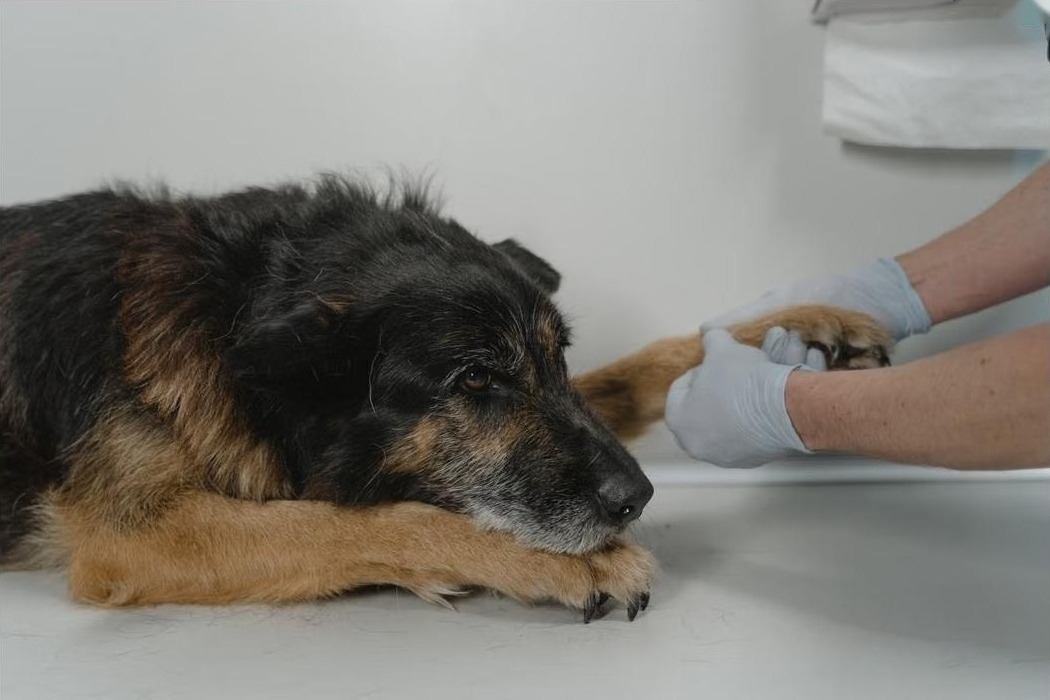
A wellness plan is normally a “subscription” for the vet visits you can see coming, not the ones you can't. In New Zealand, clinic networks generally run these as a monthly membership (around $50 a month with a 12-month minimum term) bundling unlimited standard-hours consultations, annual vaccinations, annual blood and urine tests, a set discount on dental work, and a discount on desexing, with no excess and no waiting period to join.
The trust issue with wellness plans isn't that they're bad value for what they cover, it's that owners sometimes assume they're a cheaper substitute for insurance. They aren't. A wellness plan doesn't pay out for an accident, a sudden illness, or emergency surgery; it's built entirely around routine, predictable care.

This is the option that exists for the moment the other two didn't cover: the bill has already arrived, and there's no policy or membership behind it. In New Zealand this shows up in a few different forms:
A note on the word "layby." Traditionally, a layby means paying off something before you take it home. Vet finance almost always runs the other way. Your pet is treated first, and you pay it off afterwards. It's really instalment finance wearing a familiar name.
Can you use more than one? Yes. Insurance for the accidents and illnesses you can't predict, a wellness plan (or a savings buffer) for the routine care, and vet finance kept in reserve for the gap either one leaves. None of the three fully replaces another. The question worth asking isn't "which of these is best", it's "which kind of vet bill am I actually trying to protect against”.
Any information shown on FurWise is not financial advice. FurWise is a features comparison tool. It's a helpful starting point so you can understand how pet insurance policies in New Zealand work. If you are still unsure about what might be right for you after using FurWise, we strongly recommend you seek independent advice from a financial adviser about your specific situation.
Where these numbers come from: FurWise's own The Real Cost of Not Having Pet Insurance (NZ insurance uptake, average vet visit and hip replacement costs) and glossary (excess, co-payment, waiting periods, pre-existing conditions, insurer trust & financial strength rating); Best for Pet NZ (wellness plan pricing, inclusions and payment-plan terms, as offered at its clinics); VetCare Finance NZ (vet loan terms and rates); Gem by Latitude (Gem Visa interest-free terms and standard rate); Town & Country Vet, Nelson/Tasman (Q Card/Zip acceptance and instalment terms, as one example NZ clinic); and Pet Rescue NZ (overview of NZ financial-assistance options). All third-party pricing, fees and interest rates reflect what each provider had published at the time of writing (August 2026) and are subject to change. Always confirm current terms directly with the provider.